
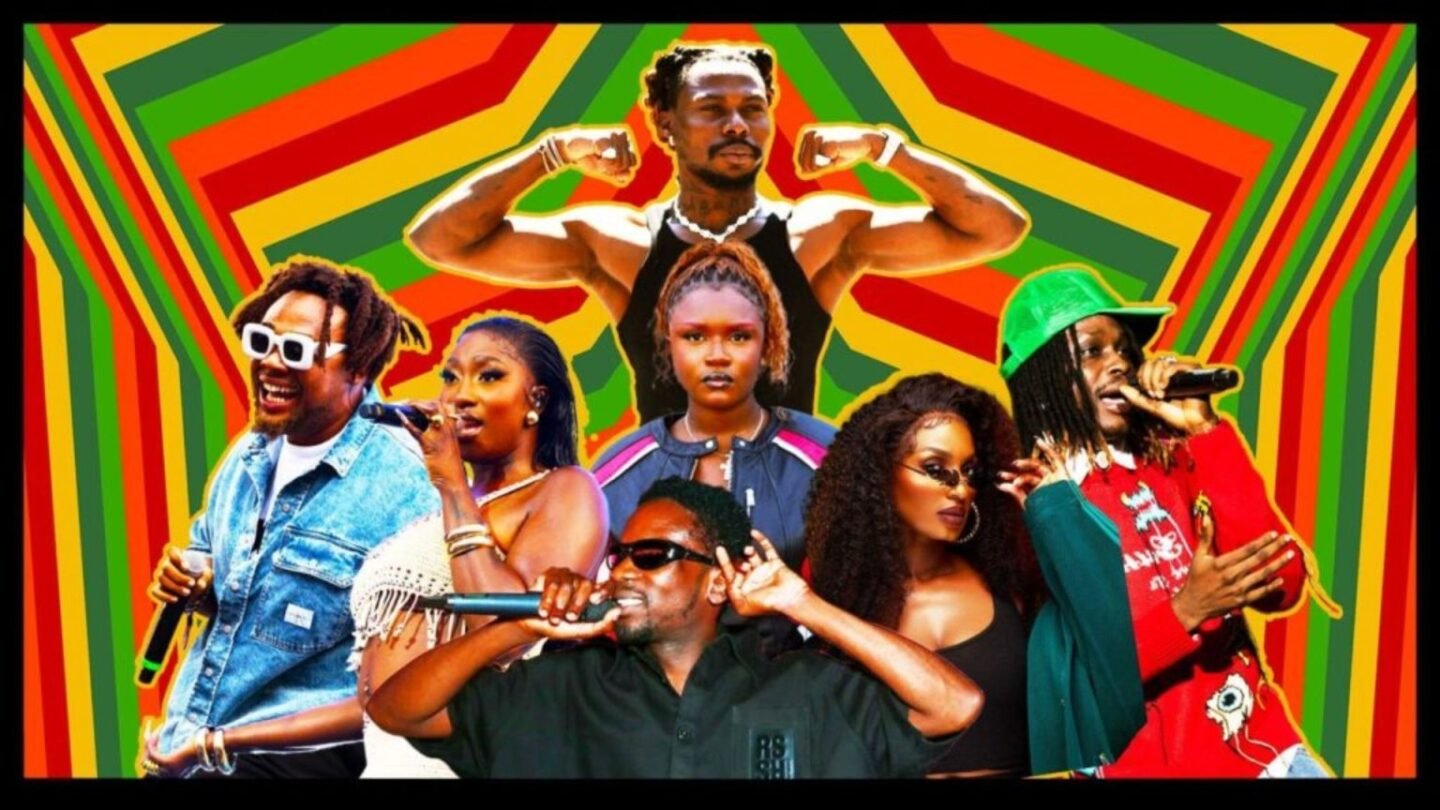
For decades, African music has travelled beyond the continent, finding its way into the ears of listeners who may never have visited Africa. From the rhythms of traditional highlife and juju to the energetic sounds of modern Afrobeats, African musicians have consistently found ways to turn local sounds into something the world can appreciate.
But something different has happened over the past decade.
Afrobeats is no longer simply a genre enjoyed by African communities and their diaspora. It has become a global cultural movement, influencing international music charts, fashion, dance, entertainment and even the way major record labels approach the African market.
Today, it is difficult to discuss the global music industry without acknowledging the influence of African artists. Nigerian musicians, in particular, have become important figures in this transformation.
From sold-out international concerts to major award nominations, global collaborations and streaming records, the journey has been remarkable.
However, the success of Afrobeats did not happen overnight. It is the result of decades of musical experimentation, cultural expression, independent creativity and the determination of artists who believed their sound deserved a place on the global stage.
Understanding the Roots of Afrobeats
Before Afrobeats became a global phenomenon, African music had already established a strong international presence.
During the 1960s and 1970s, artists such as Fela Kuti helped introduce African rhythms to international audiences through Afrobeat, a genre that combined traditional Yoruba music, jazz, funk and highlife.
Afrobeat became more than entertainment. It was also a vehicle for political expression, social commentary and cultural identity.
It is important to distinguish between Afrobeat and Afrobeats. Although the names are similar, they represent different musical movements.
Afrobeat is strongly associated with the pioneering sound developed by Fela Kuti, while Afrobeats is a broader contemporary umbrella term covering several modern African pop styles.
As the years passed, new generations of musicians began experimenting with different sounds.
Highlife, hip-hop, R&B, dancehall, reggae and traditional African percussion gradually found their way into contemporary Nigerian music.
The result was a sound that was difficult to place in a single category but easy to recognise.
It was rhythmic, energetic, melodic and deeply connected to African identity.
The Nigerian Music Industry Begins to Transform
The early 2000s marked an important period for Nigerian popular music.
Artists began developing a stronger local identity, moving away from simply recreating international sounds and creating music that reflected their own experiences.
Names such as 2Baba, D’banj, P-Square, Timaya, MI Abaga and Flavour became influential figures in the industry.
Their music reached audiences across Nigeria and other African countries, helping establish a stronger commercial foundation for the modern Nigerian music industry.
Music television, radio stations, entertainment magazines and live performances played important roles in promoting these artists.
At the time, digital streaming was not yet the dominant way people consumed music. Physical albums, CDs, radio airplay and music videos were major distribution channels.
Artists relied heavily on record labels, producers, promoters and entertainment companies to reach audiences.
Despite these limitations, Nigerian music continued to grow.
The industry was building something important: an audience that was increasingly interested in homegrown talent.
The Rise of a New Generation
As the 2010s approached, a new generation of artists began changing the direction of Nigerian music.
They were younger, more connected to the internet and increasingly interested in experimenting with sounds from different parts of the world.
Artists such as Wizkid, Davido, Olamide, Burna Boy and Phyno began building distinctive musical identities.
Each artist brought something different.
Wizkid developed a sound that blended Afrobeats with elements of R&B and international pop.
Davido became widely recognised for energetic melodies, catchy records and an ability to create songs that connected with large audiences.
Olamide helped popularise street-influenced Nigerian music, incorporating Yoruba expressions and local cultural references into commercially successful records.
Burna Boy developed a sound that combined African rhythms with dancehall, reggae, hip-hop and other global influences.
Phyno brought Igbo-language rap into mainstream Nigerian entertainment, proving that local languages could have a strong commercial presence.
These artists helped expand the possibilities of what Nigerian music could become.
They also inspired younger musicians to experiment with their own identities rather than follow a single formula.
The Internet Changed Everything
One of the biggest factors behind Afrobeats’ international growth was the internet.
Before digital platforms became widely accessible, African artists often depended on traditional media and record labels to distribute their music internationally.
That created significant barriers.
An artist could become popular in Lagos, Abuja or Enugu but struggle to reach listeners in London, Toronto, New York or Paris.
Social media and streaming platforms changed that situation.
Platforms such as YouTube, Instagram, TikTok, Spotify and Apple Music made it easier for musicians to distribute their work and connect directly with audiences.
A song released independently could reach listeners across multiple countries without requiring the traditional distribution structure.
Music videos could circulate globally. Dance challenges could introduce songs to millions of new listeners. Collaborations could connect African artists with musicians from completely different markets.
The relationship between artists and their audiences also changed.
Musicians no longer depended entirely on radio presenters or television stations to determine which songs received attention.
A record could gain momentum through social media conversations, fan-created videos and online communities.
This did not eliminate the importance of traditional music promotion, but it introduced a new route to success.
Wizkid, Drake and the Global Breakthrough
One of the defining moments in the international growth of Afrobeats came through the relationship between Nigerian music and global pop culture.
In 2016, Wizkid featured on Drake’s hit single ‘One Dance’, alongside British singer Kyla.
The song became a massive international success, topping charts in multiple countries and introducing many listeners to Wizkid’s musical identity.
Although Wizkid had already established himself as a major African star, the collaboration expanded his international visibility.
It demonstrated that African artists could participate in major global music releases without abandoning their musical identity.
The moment also encouraged international audiences and music executives to pay closer attention to the African music market.
It was not the beginning of African music’s international journey, but it was an important turning point in the modern Afrobeats movement.
Burna Boy and the Expansion of African Music
Another major chapter in this story belongs to Burna Boy.
His music has consistently explored themes of identity, African heritage, social realities and personal experiences.
Rather than limiting himself to one sound, Burna Boy has built a musical identity that draws from several genres.
His 2019 album, African Giant, represented a significant milestone in his international career.
The project received widespread attention and earned him a Grammy nomination for Best World Music Album.
In 2021, his album Twice as Tall won the Grammy Award for Best Global Music Album.
The achievement was significant not only for Burna Boy but also for the broader African music industry.
It showed that contemporary African musicians could compete for recognition on some of the world’s biggest music stages.
His success also helped expand conversations about African music beyond Afrobeats alone.
It highlighted the diversity of sounds, influences and stories coming from the continent.
Tems and the Growing Influence of Nigerian Female Artists
While much of the international Afrobeats conversation has focused on male artists, Nigerian women have also played an important role in expanding the genre.
Tems is one of the most recognisable examples.
Her distinctive vocals, alternative R&B influences and emotionally expressive songwriting have helped her build an international audience.
Her appearance on Wizkid’s ‘Essence’ introduced her to even more listeners.
The song later received a remix featuring Justin Bieber, further increasing its international reach.
Tems has since continued building her own career, collaborating with international musicians and receiving major industry recognition.
Other Nigerian female artists, including Ayra Starr, Tiwa Savage, Yemi Alade and Simi, have also contributed to the evolution of contemporary African music.
Their success demonstrates that the future of Afrobeats should not be defined by one sound or one category of artist.
There is room for different voices, musical approaches and creative identities.
The Role of Collaborations
International collaborations have become an important part of Afrobeats’ global expansion.
African artists are increasingly working with musicians from Europe, North America, the Caribbean and other parts of the world.
These collaborations create opportunities for audiences to discover music they might not otherwise encounter.
They also encourage musical experimentation.
A Nigerian artist working with a British rapper may introduce elements of grime or UK rap into an Afrobeats record.
A collaboration with a Caribbean musician might incorporate dancehall influences.
A partnership with an American R&B singer could create a different kind of musical atmosphere.
However, collaborations are not automatically successful.
The most memorable records usually happen when artists bring something meaningful to the music rather than simply combining famous names.
The strongest collaborations allow both artists to maintain their identities while creating something new.
The Street Influence Behind the Sound
One aspect of Nigerian music that deserves more attention is the influence of street culture.
Street music has always played a significant role in shaping the country’s entertainment industry.
From the sounds of indigenous rap to contemporary street-pop, musicians have consistently used music to document everyday experiences.
The language, expressions, slang and cultural references found in street-inspired records often reflect the realities of ordinary people.
Artists such as Olamide helped bring this sound into the mainstream, creating opportunities for other musicians to follow.
Today, street-pop remains an important part of Nigeria’s music ecosystem.
Its influence can be heard in production styles, vocal delivery, songwriting and the way artists connect with their audiences.
It also demonstrates something important about the Nigerian music industry: innovation does not always begin in expensive studios or major record labels.
Sometimes, it starts with young musicians experimenting with limited resources and using the experiences around them as inspiration.
Why Afrobeats Connects With International Audiences
What makes Afrobeats appealing to listeners outside Africa?
There is no single answer.
For some listeners, it is the rhythm and production.
For others, it is the energy, melodies, dance culture and emotional expression.
Afrobeats also offers something different from many established international music styles.
Its ability to combine African languages, contemporary production and influences from different musical traditions creates a distinctive listening experience.
The genre is also closely connected to lifestyle and fashion.
Afrobeats artists influence how people dress, dance, communicate and engage with popular culture.
Music videos, concerts, social media content and celebrity appearances all contribute to the movement.
The growing African diaspora has also helped introduce Nigerian music to international communities.
In cities such as London, New York and Toronto, African music has found audiences through cultural events, nightlife, festivals and community networks.
Over time, these audiences have expanded beyond the diaspora.
People who may have had little exposure to Nigerian music are now discovering artists through streaming recommendations, playlists, collaborations and viral content.
The Business Behind the Music
As Afrobeats continues to grow, the business side of the industry has become increasingly important.
Music is not only about creativity. It is also an industry that involves distribution, marketing, publishing, licensing, management, touring and intellectual property.
For African musicians to build sustainable careers, they need access to professional structures that protect their work and help them generate income.
Streaming has created new opportunities, but it has also introduced challenges.
The revenue an artist receives from streaming depends on several factors, including platform agreements, subscription markets, distribution arrangements and ownership rights.
This means that high streaming numbers do not automatically translate into significant earnings.
Artists must also understand the importance of music publishing and songwriting rights.
A successful record may involve several contributors, including songwriters, producers, featured performers and publishers.
Without proper agreements, disputes can arise over ownership and revenue distribution.
As the industry becomes more international, professional management and legal support will become increasingly important.
There is also a growing need for African-owned music companies, independent distributors and entertainment businesses capable of supporting artists throughout their careers.
The Challenges Afrobeats Still Faces
Despite its achievements, the African music industry still has significant challenges.
One major issue is infrastructure.
Many emerging musicians struggle to access quality recording facilities, professional management, affordable promotion and reliable distribution services.
Another challenge is monetisation.
Although African artists are reaching international audiences, the financial value generated from those audiences is not always distributed evenly.
Copyright protection remains another important issue.
Unauthorised use of music, weak licensing structures and disputes over ownership can prevent musicians from receiving the full value of their work.
There is also the challenge of sustainability.
The music industry moves quickly. Songs become popular, new artists emerge and audience attention shifts.
Maintaining a long-term career requires more than releasing viral records.
Artists need strong creative direction, consistent quality, financial discipline and the ability to adapt.
The industry must also avoid reducing African music to a single commercial sound.
Africa is a large continent with different languages, cultures and musical traditions.
Afrobeats may be one of its most visible exports, but it should not become the only representation of African music.
What Comes Next?
The future of Afrobeats will likely be shaped by experimentation.
Younger musicians are already exploring alternative sounds, electronic production, indigenous languages and different approaches to songwriting.
Some are moving towards alternative R&B and soul, while others are combining street-pop with hip-hop, dancehall and traditional African sounds.
There is also increasing interest in regional music scenes beyond Nigeria.
Ghana, South Africa, Tanzania, Kenya and other African countries continue to contribute unique sounds to the continent’s growing musical identity.
As technology develops, independent artists may gain even more opportunities to produce, distribute and promote their work.
Artificial intelligence, digital marketing and new music distribution tools could change how music is created and discovered.
However, technology alone will not determine the future.
The most important ingredient will remain creativity.
African musicians must continue telling their stories, experimenting with sounds and building music that reflects their experiences.
Final Thoughts: More Than Just a Genre
The rise of Afrobeats represents something much bigger than a successful musical category.
It is a story of cultural confidence, creativity and global recognition.
For years, African artists worked to create opportunities in an industry where international attention was often difficult to secure.
Today, they are increasingly becoming part of the global conversation.
But the journey is far from complete.
There are still talented musicians waiting to be discovered, independent artists looking for opportunities and new sounds that have yet to reach international audiences.
The next major African music movement may already be developing in a small studio somewhere in Lagos, Accra, Enugu, Johannesburg or Nairobi.
And that is perhaps the most exciting part of this story.
The world is listening, but Africa still has many more stories to tell.

0 comments